
Upgrading to an Energy-Efficient HVAC Chiller System: What You Need to Know
Introduction: The Importance of Energy Efficiency
Modern chiller technology is designed to deliver consistent cooling with significantly lower energy consumption. Businesses across Miami, Fort Lauderdale, and West Palm Beach are increasingly replacing aging systems to meet performance expectations and regulatory standards. As a trusted chiller installation company, Advanced Air Systems helps commercial and industrial facilities transition to high-efficiency chiller solutions built for South Florida’s demanding climate.
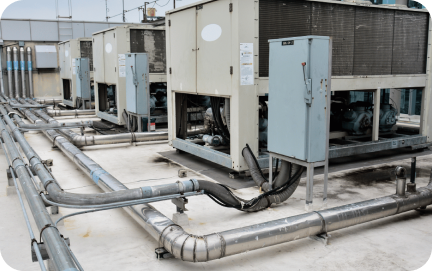
Why Upgrade to Energy-Efficient Chiller Systems
Why Upgrade to Energy-Efficient Chiller Systems?
Energy-efficient chillers are engineered to operate more intelligently and adapt to real-time cooling demands. This results in measurable financial and operational benefits:
Reduced Energy Consumption:
Environmental Compliance:
Improved System Reliability:
Signs Your Current Chiller System Needs Replacement
Signs Your Current Chiller System Needs Replacement
Escalating Energy Bills:
Excessive Noise or Vibration:
Frequent Breakdowns:
Inconsistent Cooling:
Types of Energy-Efficient Chiller Systems
Types of Energy-Efficient Chiller Systems
Air-Cooled Chillers:
These systems use ambient air to cool the refrigerant, making them ideal for facilities with limited access to water. They are easier to install and require less maintenance, but they may be less efficient in extremely hot climates.
Water-Cooled Chillers:
These systems use water for heat exchange and are highly efficient, particularly for larger facilities. While they require access to a consistent water supply and more maintenance, their energy savings often make up for the added upkeep.
Science Behind Advanced Purification
How Energy-Efficient Chillers Work
Modern HVAC chiller systems integrate advanced technologies to optimize performance:
Variable Speed Compressors:
These adjust the chiller’s output based on real-time cooling needs, reducing unnecessary energy consumption.
High-Efficiency Heat Exchangers:
These components improve the transfer of heat, allowing the system to cool spaces more effectively.
Smart Controls:
Modern chillers are equipped with intelligent control systems that optimize performance and monitor energy usage.
The Role of HVAC Chiller Systems in Commercial Spaces
Beyond temperature control, properly designed chiller systems contribute to better indoor air quality and operational continuity. Reliable commercial chiller service ensures systems perform as designed, even during peak cooling demand in South Florida’s climate.
Cost Benefits of Energy-Efficient Chiller Systems
Cost Benefits of Energy-Efficient Chiller Systems
- Lower Utility Bills: Energy reductions of up to 50% compared to outdated systems.
- Reduced Repair Costs: Newer systems experience fewer failures and require less corrective maintenance.
- Incentives and Rebates: Many efficiency upgrades qualify for local and federal programs.
- Increased Property Value: Energy-efficient infrastructure appeals to tenants and investors.
Process of Upgrading to an Energy-Efficient Chiller System
The Process of Upgrading to an Energy-Efficient Chiller System
The upgrade process typically includes:
- Assessment: Evaluation of current equipment, cooling demand, and efficiency gaps.
- System Design: Selection of the most suitable energy-efficient chiller configuration.
- Installation: Precision installation with minimal disruption to operations.
- Post-Installation Support: Ongoing maintenance and performance optimization.
Factors to Consider When Choosing a Chiller Installation Company
Factors to Consider When Choosing a Chiller Installation Company
- Industry Experience: Proven expertise with commercial HVAC chiller systems.
- Regional Knowledge: Familiarity with South Florida climate conditions and regulations.
- Comprehensive Services: Installation, maintenance, and long-term support.
- Reputation: Documented customer satisfaction and reliability.
Why Choose Advanced Air Systems for Your Chiller Needs?
Why Choose Advanced Air Systems for Your Chiller Needs?
- Deep regional expertise
- Skilled commercial HVAC technicians
- Customized, performance-driven solutions
- Transparent communication and long-term service support
Maintenance of Energy-Efficient Chiller Systems
Maintenance of Energy-Efficient Chiller Systems
Routine Inspections:
Schedule regular inspections to identify and address potential issues early.
Cleaning and Calibration:
Ensure that components like heat exchangers and sensors are cleaned and calibrated for optimal performance.
Professional Servicing:
Rely on experienced commercial chiller service providers, like Advanced Air Systems, for complex maintenance tasks.
Environmental Benefits
The Environmental Benefits of Energy-Efficient Chiller Systems
Conclusion: Upgrade Your Business with Advanced Air Systems
Advanced Air Systems provides expert guidance, installation, and commercial chiller service across South Florida. Contact their team to begin your upgrade and future-proof your facility’s cooling infrastructure.
Frequently Asked Air Conditioning Questions
1. What is an energy-efficient HVAC chiller system?
2. How do I know if my commercial chiller needs replacement?
3. How much energy can a high-efficiency chiller save?
4. What is the difference between air-cooled and water-cooled chillers?
5. How long does a commercial chiller system last?
6. Does upgrading a chiller system qualify for energy incentives?
7. How long does chiller installation take in a commercial building?
8. Why is professional commercial chiller service important?
Professional commercial chiller service ensures optimal efficiency, prevents unexpected failures, and extends the lifespan of the HVAC system.