Unit Change-Outs
Home //
Commercial Air Conditioning
Commercial HVAC Changeouts in South Florida
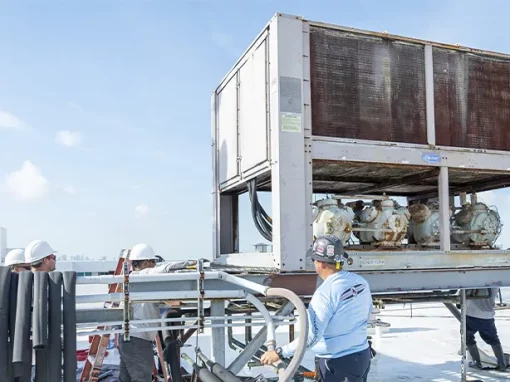
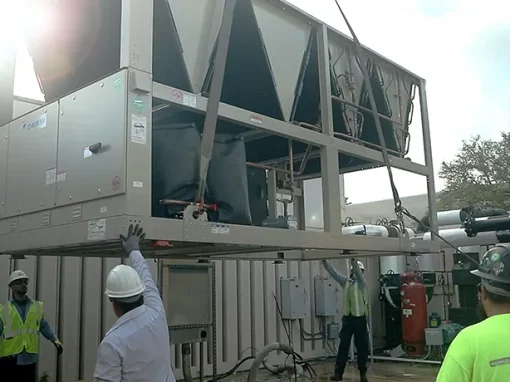
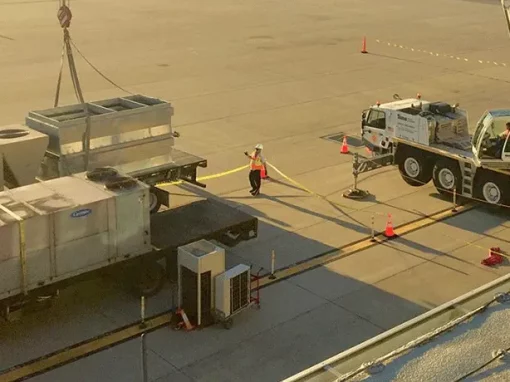
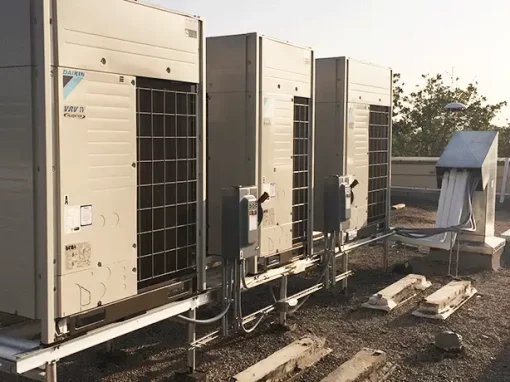
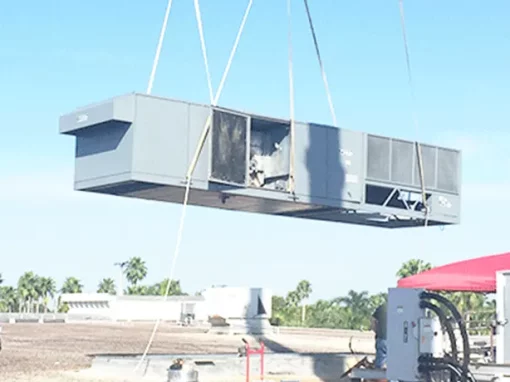
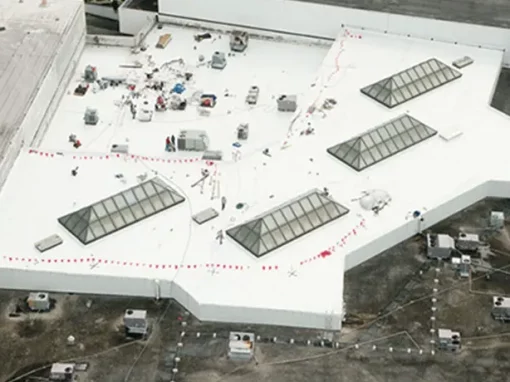
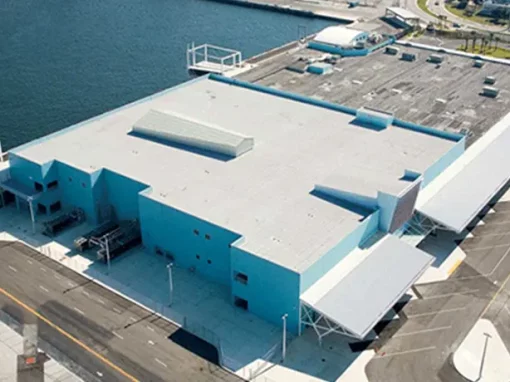
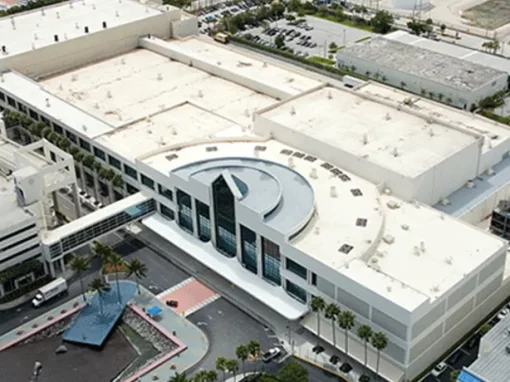
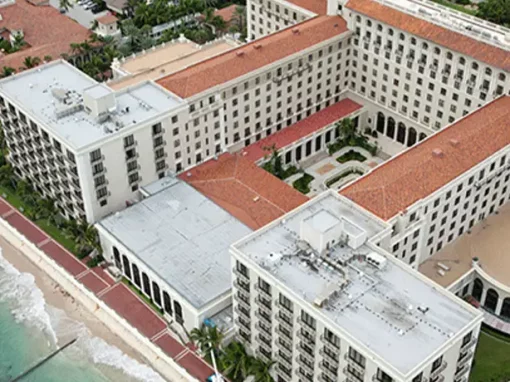
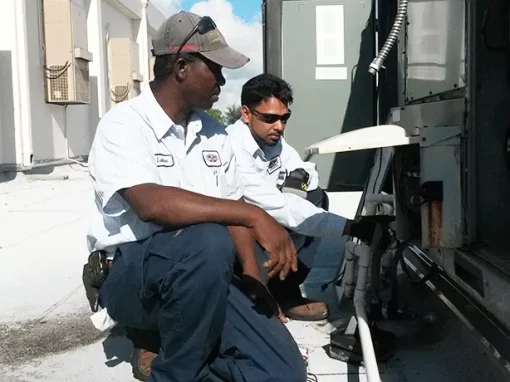
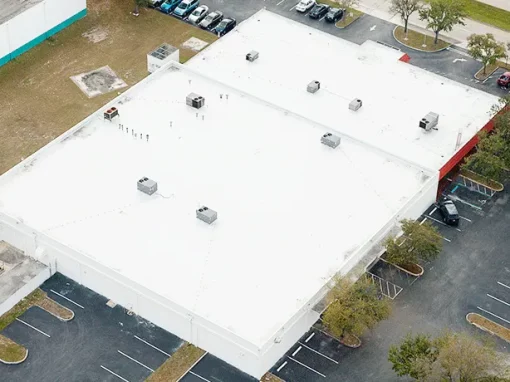
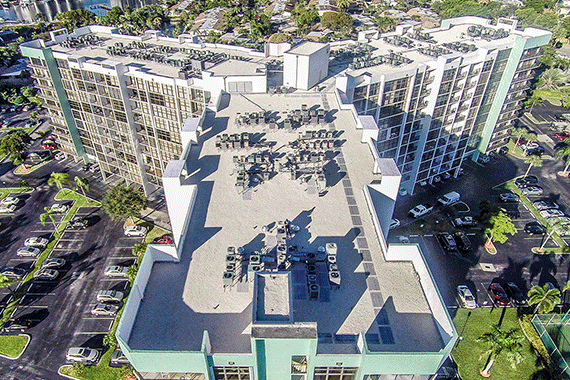
When aging HVAC equipment struggles to keep your building cool or needs frequent repairs, it’s time to evaluate your replacement options. Advanced Air Systems replaces commercial rooftop units, chillers, and cooling towers across Broward, Palm Beach, and Miami-Dade.
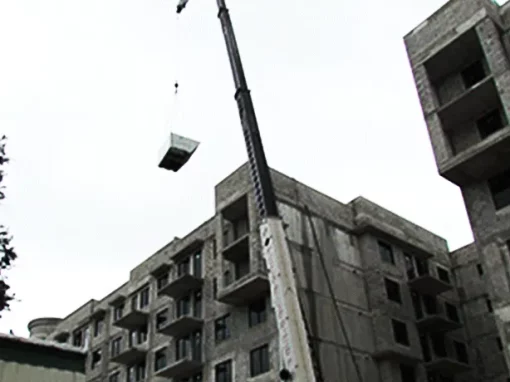
We help building owners and property managers select equipment based on cooling needs, compatibility with existing systems, and long-term operating costs. From equipment delivery to startup, we coordinate the changeout around building operations to minimize downtime.
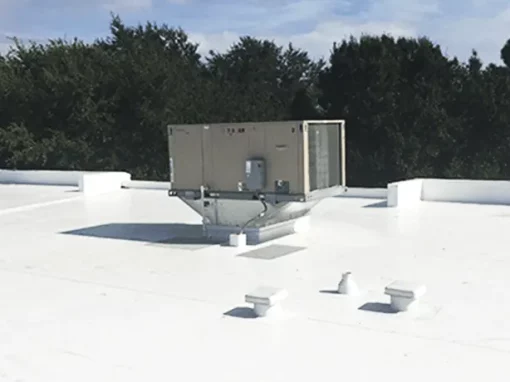
- Rooftop unit (RTU) changeouts
- Commercial chiller replacement
- Cooling tower replacement
5 Signs It’s Time to Consider a HVAC Changeout
If your rooftop unit, chiller, or cooling tower is struggling to keep up, these warning signs can help you decide when to compare repair and replacement options.
- Uneven cooling. Some floors or tenant spaces stay warm while others cool normally.
- Aging equipment. Parts are harder to source or major repairs are becoming more likely.
- Rising energy use. Your building uses more electricity even though operating hours and cooling needs are similar.
- Unusual noises or odors. New grinding, rattling, or persistent odors warrant a service inspection.
- Frequent breakdowns. Repeat service calls are driving up costs and disrupting tenants.
Get A Free Project Quote Now

Preparing for a Commercial HVAC Unit Changeout
A commercial HVAC changeout starts with a site assessment and equipment selection, followed by removal, installation, and startup testing. Knowing what happens at each stage helps you plan for downtime, coordinate building access, and keep tenants informed.

Select a licensed HVAC contractor:
More is needed that the company has a good reputation; you need to have the skills and qualified technical expertise to perform a professional job with all the safety guarantees.

The unit makes an uneven cooling:
If when you turn on your HVAC system, you notice that there is only cooling in some areas of your building, but other rooms are warmer, this indicates a malfunction.

Evaluate the size of your unit
The contractor should help you select the best AC unit option considering the size of your home or building. In addition, he should consider factors such as the type of insulation, specific preferences according to the purpose of your building, etc.

Evaluate your existing unit:
Before proceeding with the replacement, the contractor must examine your HVAC, ductwork, wiring, and other aspects to see its condition and what needs to be removed, and also to see what areas are vulnerable in your property.

Establishing a budget:
A professional contractor will tell you the cost of the new unit, materials, ductwork, wiring, and installation cost and stick to it after assessing the area.
What to Expect When Installing a New Commercial HVAC System
1
Selecting the suitable central air conditioning unit:
a licensed HVAC contractor will help you after evaluating your existing system to find the suitable unit based on its size, efficiency, the climate of the area where you live, the noise level it will provide, and other features such as programmable thermostats, etc.
2
Selecting the suitable central air conditioning unit:
a licensed HVAC contractor will help you after evaluating your existing system to find the suitable unit based on its size, efficiency, the climate of the area where you live, the noise level it will provide, and other features such as programmable thermostats, etc.
3
Preparing the site and clearing obstacles:
for the safety of the work area and easy access to the new unit, it is necessary to remove furniture, plants, and other objects that may pose an obstacle.
4
Disconnecting and removing the old AC unit
This step involves counting the power flow to the AC unit to be replaced, disconnecting all nearby electrical and water connections, removing the unit, and then disposing of it according to local protocols.
5
Installing and connecting the new HVAC system:
placing the new unit in the correct location, connecting the wiring and piping, and lodging or adjusting the ductwork.
6
Testing and adjusting the system performance:
includes testing the electrical connections and performing the load calculation to ensure it is ideally sized.
Key considerations during AC unit replacement
Proper disposal of the old AC unit:
Qualified technicians know how to dispose of your unit safely and environmentally friendly by draining the refrigerant before removal and then taking it to recycling centers. They also follow local waste management regulations.
Upgrading to a more energy-efficient system:
An air conditioning unit replacement saves money on electricity bills, benefits the environment by emitting fewer greenhouse gases, and gives you greater comfort and control over indoor temperature and air quality.
Understanding warranty and maintenance requirements:
Are crucial elements to ensure proper operation of the AC unit and quick resolution of potential problems, such as filter replacement, coil cleaning, refrigerant levels, etc.
Exploring financing options for the replacement:
There are several options, such as manufacturer financing with flexible zero-interest payment plans and government plans that promote changes towards more environmentally conscious solutions.
Key considerations during AC unit replacement
What are the benefits of professional installation?
- You get a proper sizing of the AC unit.
- Correct installation.
- Guaranteed protection against problems.
- Highest efficiency operation.
- Safe handling of electrical, refrigerants, and other potentially hazardous components.
What questions should you ask when hiring an HVAC contractor?
We suggest you ask if the contractor is licensed and insured, ask about their experience handling your type of HVAC system, ask for references, and most importantly, ask if they offer written estimates.
Remember to ask about their pricing and service warranties!
Checking licenses and certifications
These are the most common licenses and certifications; however, keep in mind that they vary according to each location:
- HVAC license: every AC unit contractor must pass this exam.
- EPA certification: technicians handling potentially hazardous chemicals such as refrigerants must comply with this regulation.
- Manufacturer certification: to show that you know how to handle and work with their products in installing and replacing the units they offer.
- NATE certification: to demonstrate your knowledge and skill level.
- Contractor’s license: to perform this work within the county or state.
Benefits
Change-out Benefits
- Lower Energy Consumption
- Enhanced Comfort
- Reduce Airborne Allergens
- Technology Upgrades
- New System Warranty
- System Can Operate More Quietly
- Manufacturer and Utility Rebates Available
Testimonials
Read Our Google Reviews
We hired Advanced Air Systems to furnish and install new units and ductwork for three of our new tenant buildouts in a large 50,000 square-foot commercial building. Our needs were met and handled with a sense of urgency. As a business owner, time is of great value to me. Advanced Air Systems not only came in on budget; they finished the project on time and got it done right the first time.
Get a Quote
Book HVAC Inspection
Featured Projects